
Why proportion matters more than trend
Silhouette relationships explain most of why an outfit reads as right.
MODAME Journal ·
The problem may not be the clothes
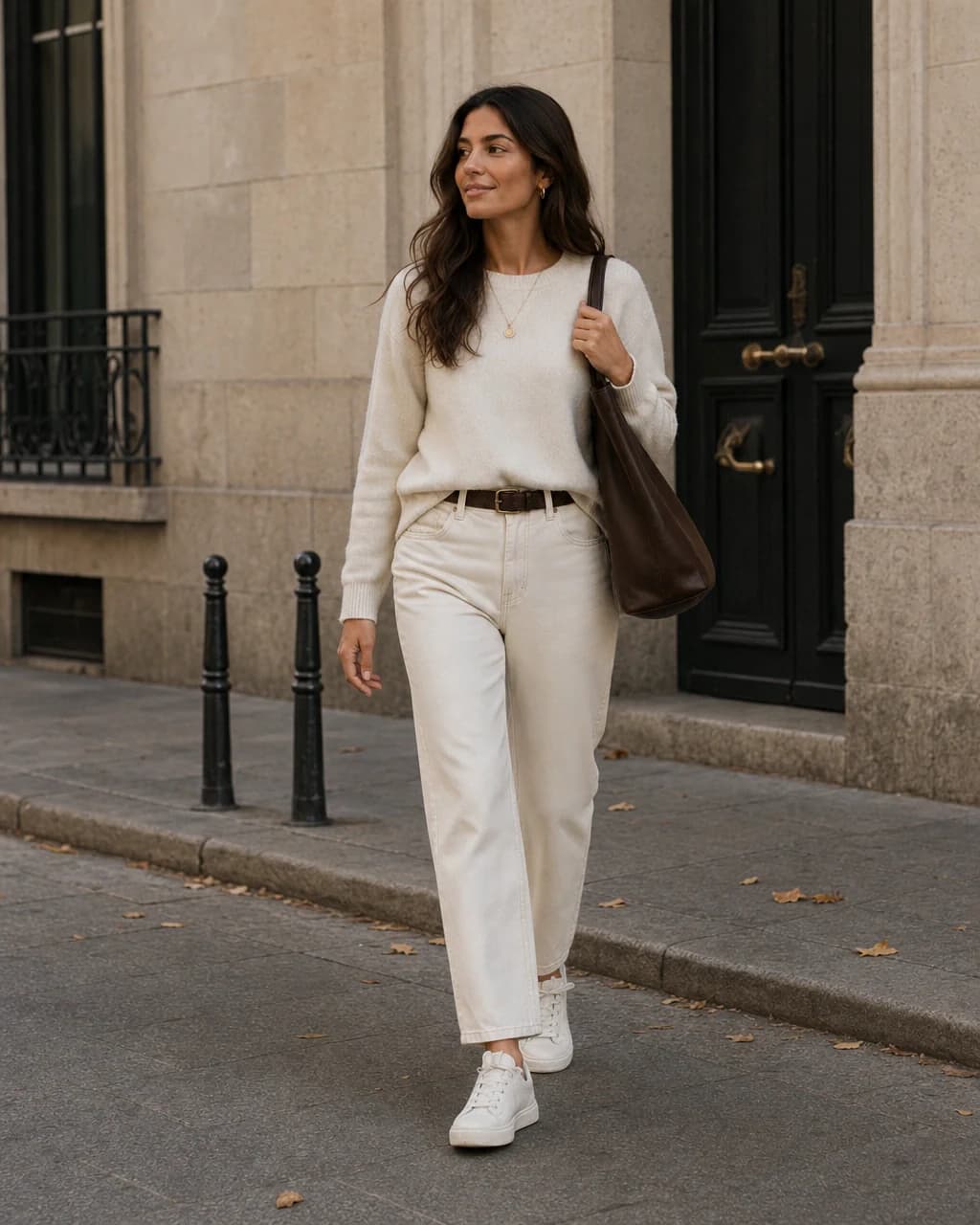
When an outfit feels wrong, the pieces themselves are often blamed. The trousers seem dated, the jacket uninspiring, the shoes suddenly difficult. Yet each might be perfectly good. What has failed is the relationship between them. A long jacket over a low trouser rise can stretch the torso; a narrow shoe beneath a wide trouser can look insubstantial. Proportion is the grammar that lets separate garments form a sentence.
Trends change these relationships by exaggerating one part of the silhouette, then another. Following each shift literally is exhausting and rarely necessary. A better approach is to understand balance: where a garment begins and ends, how much visual weight it carries, and what the piece beside it is doing in response.
Start at the waist
Trouser rise quietly determines much of an outfit. A higher rise shortens the visible torso and lengthens the leg; a lower rise does the reverse. Neither is universally correct, but the jacket and shirt must acknowledge the choice. A long untucked shirt over low-rise trousers can obscure the body's centre entirely. A clean tuck restores it and allows the trouser line to begin where intended.
Width matters in the same relational way. Full trousers often want some clarity above: a neat knit, a defined shoulder or a jacket that does not add equal volume everywhere. Slim trousers can support a longer or more relaxed top, although extremes may feel top-heavy. Balance does not always mean equal size. It means that one volume appears answered by another.
The endings matter
Sleeves and hems are small boundaries with disproportionate influence. A sleeve that covers the hand makes a jacket seem borrowed; one that finishes too high can make it look shrunken. Trousers meeting the shoe cleanly give the leg a clear conclusion. Excessive bunching interrupts that line, while an aggressive crop can expose more ankle than the rest of the outfit can support.
These observations are not rules for a single ideal break or cuff. Fabric changes the answer. Linen can pool with ease; crisp worsted usually benefits from precision. A wide trouser may need length to preserve its fall, while a narrow one can finish more cleanly above the shoe. The aim is to notice whether the hem looks intentional.
Jacket length and outerwear
Jacket length changes both formality and the apparent centre of the body. A cropped jacket can energise fuller trousers, exposing more of their rise and shape. A longer jacket can calm a narrow lower half and create a continuous vertical line. Problems arise when the jacket ends at an awkward point relative to the trouser or when every layer finishes at nearly the same uncertain height.
Outerwear makes the relationship larger. A long coat can unite an outfit that contains several short internal layers. A hip-length jacket may sharpen it. Rather than treating cropped or long as trend positions, consider what the coat does to the complete silhouette and whether it supports the clothing most often worn beneath it.
“A small alteration can do more for an outfit than a new purchase because it repairs a relationship.”
The weight of shoes
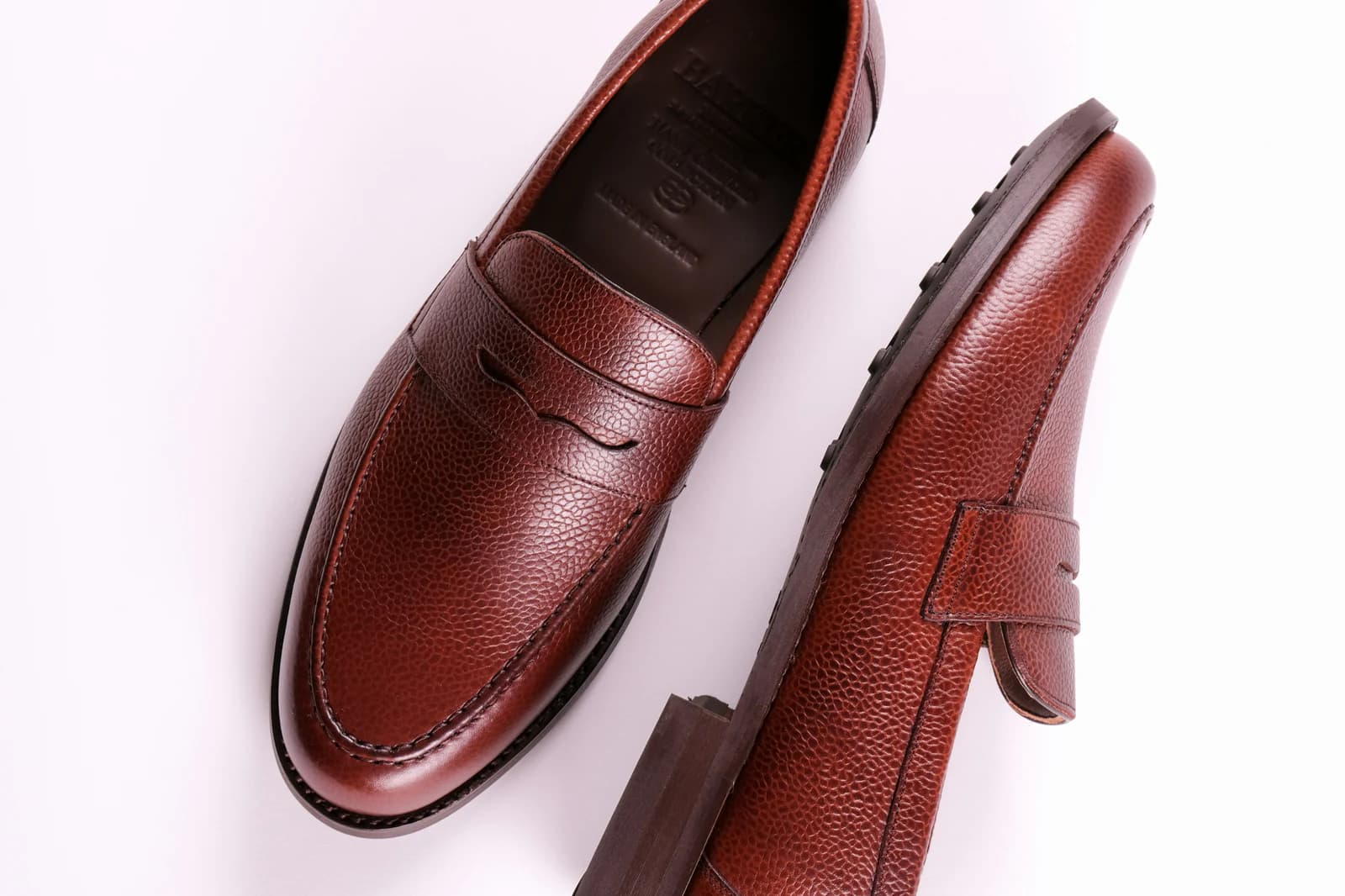
Shoes are the visual foundation of an outfit, not an accessory added after it. Broad trousers often need enough sole, toe shape or colour depth to hold their weight. Delicate footwear can work, but the contrast must look deliberate. Conversely, a heavy boot beneath a very fine narrow trouser may make the leg appear to disappear into the shoe.
The useful test is to look at the silhouette from several metres away or in a quick photograph. Detail falls away and balance becomes obvious. Does the upper half dominate? Do the shoes look detached? Does the trouser seem to end accidentally? Distance turns a vague feeling into something observable.
Alter before replacing
Many proportion problems are solved by centimetres. Raising a hem, shortening a sleeve, improving a trouser waist or adjusting a shirt length can return a neglected piece to use. Tailoring is especially valuable because it works with the body and wardrobe that exist, rather than proposing an entirely new set of clothes.
Observation should remain generous. Bodies move, comfort matters and not every silhouette needs to lengthen, slim or conventionally flatter. The goal is not obedience to a mathematical ideal. It is to understand why an outfit feels settled, and then use that understanding to make choices that look deliberate on your own terms.
Try changing only one boundary at a time. Roll a sleeve, tuck the shirt, exchange a fine shoe for a heavier one or pin a hem before committing to alteration. A photograph taken from waist height can be more instructive than prolonged mirror study because it lets the whole outline be seen at once.
Proportion becomes easier with repetition. Once a reliable trouser-and-shoe relationship is known, jackets can be assessed against it. Once a preferred waist is established, shirt lengths make more sense. The method is cumulative and personal. Trend may offer a new possibility, but observation decides whether that possibility belongs.