

The difference between an item you like and one you wear
Affection and rotation are not the same. Measuring the gap changes how you shop.
MODAME Journal ·
Four different relationships
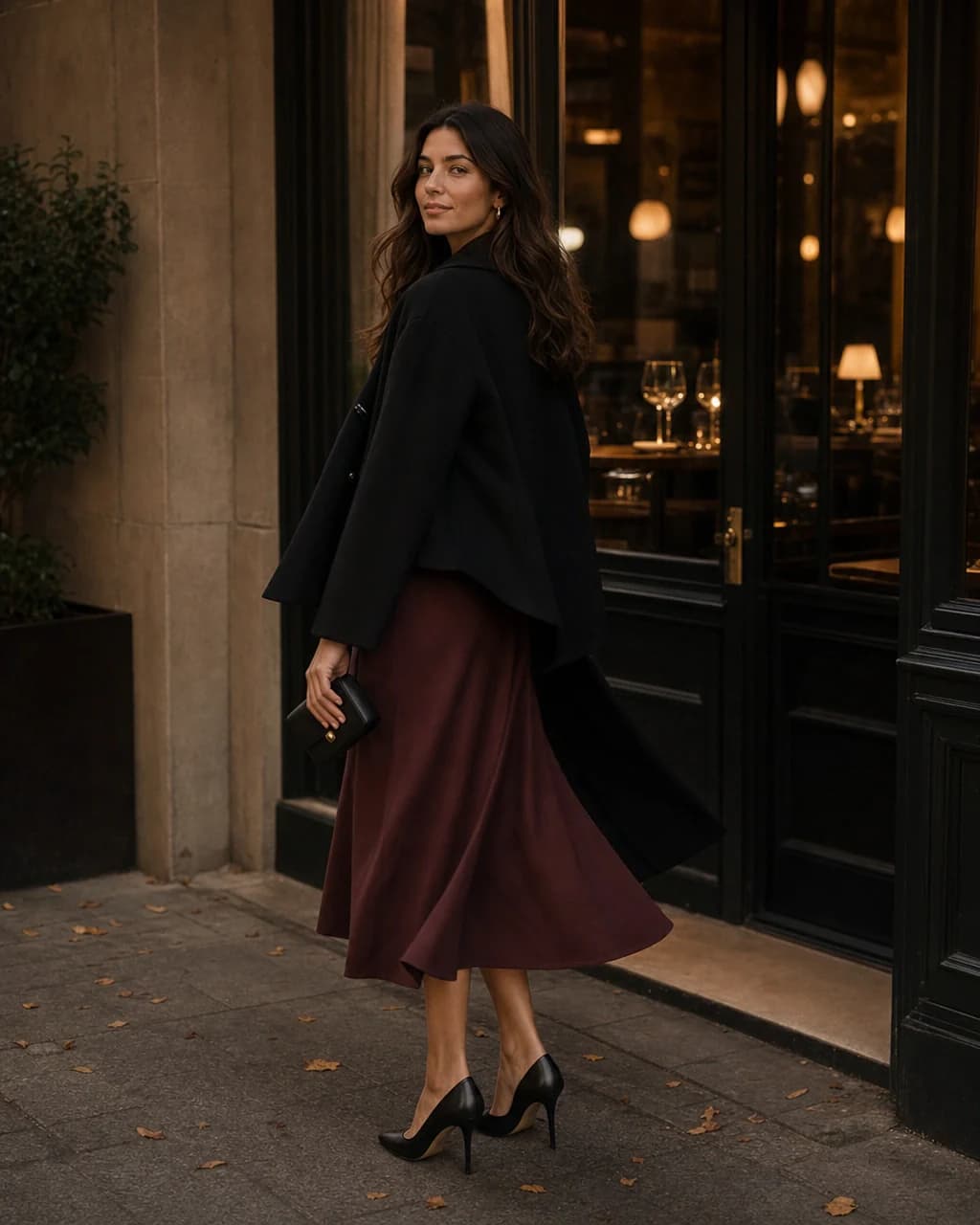
To like a garment, admire it, own it and wear it are four different relationships. Shopping tends to collapse them into one. A strong reaction in a fitting room feels like proof that the piece belongs in daily life, but admiration is often complete before the garment is purchased. We can appreciate colour, construction or character without possessing the conditions that make it easy to wear.
The distinction matters because wardrobes are built from repeated decisions, not isolated moments of taste. A purchase can be aesthetically excellent and behaviourally unsuccessful. This does not make the affection false. It means the garment answered a different question from the one asked each morning: not what do I find beautiful, but what can I comfortably become today?
Friction decides rotation
Frequently worn clothing removes obstacles. The waistband remains comfortable after lunch. The fabric tolerates a commute. The shoes work on wet pavement. The collar sits properly without being watched. None of this sounds romantic, yet ease is one of the strongest forces in personal style. A garment that repeatedly asks for adjustment, special underwear or a change of plans will lose to one that lets the day continue.
Fit sits inside this broader idea of friction. Measurements may be correct while movement is not. A jacket can look impeccable with arms at rest and feel restrictive when reaching for a bag. A skirt can be flattering in a mirror and impractical on stairs. Wear exposes what a fitting room cannot: how clothing behaves over hours rather than seconds.
Compatibility is quiet value
A garment never enters a wardrobe alone, even when it is bought that way. It needs partners. Colour must find an echo or a neutral; proportion must agree with existing hems and jackets; formality must sit naturally beside the shoes already owned. A wonderful item with only one compatible companion has a fragile place in rotation. If that companion is unavailable, the entire outfit disappears.
This is why modest-looking staples can outperform dramatic favourites. Their value is distributed across many combinations. A brown loafer may connect tailoring, denim and a summer trouser. A soft cream knit may sit under three jackets and over two shirts. Neither needs to dominate an outfit to make it possible. Compatibility is not blandness; it is the ability to participate.
“A good purchase is not only appealing on its own. It changes the usefulness of what is already there.”
The life around the garment
Lifestyle has an unforgiving clarity. Clothing bought for formal dinners will not become useful if most evenings are informal. Delicate pale trousers may be wrong for a day spent moving between public transport, children and an office. Heavy tailoring may express an ideal self while the actual climate asks for unstructured layers. No amount of admiration can manufacture the missing occasions.
Care requirements also shape behaviour. Dry-clean-only fabric, a colour that marks easily or a knit that takes days to dry introduces a cost beyond price. Some pieces justify that attention; many do not. When a garment repeatedly waits to be cleaned, steamed or repaired, its absence from rotation is information rather than laziness.
The aspirational wardrobe
Aspirational purchases are rarely random. They point towards qualities we want: confidence, ease, seriousness, glamour, perhaps a life with longer lunches and fewer practical bags. This can make them emotionally difficult to assess. Letting go of the garment can feel like letting go of the possibility it represents, even when the piece itself has never felt natural.
There is no need to treat every unworn item as a mistake. A ceremonial garment or inherited coat may earn its space through memory rather than frequency. The useful distinction is honesty. If a piece is an archive, keep it as an archive. If it is meant to serve daily life, allow daily life to judge it.
Behaviour is the clearest review
The most useful wardrobe data is simple: what is actually worn, in which combinations, and what is considered but repeatedly put back. Rotation reveals preferences that descriptions miss. You may believe you favour colour while consistently choosing navy. You may describe your style as tailored while relying on soft jackets. These are not contradictions to correct; they are evidence of where comfort and identity meet.
Before buying, compare a proposed piece with the garments that already succeed. Does it share their ease, proportion or care level? Can it make at least three convincing outfits without imagined future purchases? After buying, notice whether it enters rotation once novelty fades. A good purchase is not proved at the till. It is proved on an ordinary Tuesday, when the garment is chosen without negotiation.
It helps to separate frequency from value, too. The coat worn throughout winter will naturally outrank a dinner jacket, but frequency alone does not make the coat the better object. Judge each piece against the occasions it was meant to serve. A special garment can succeed through five assured wears a year; an everyday one should not need five excuses before breakfast.
This gentler accounting changes how shopping feels. It makes room for beauty and sentiment while refusing to confuse them with utility. The next purchase can be chosen with both truths in view: the pleasure of the object, and the likelihood that it will become part of the repeated, unphotographed life of the wardrobe.