

How personal style changes over time
On the slow drift of a palette, and why your style DNA should move with you.
MODAME Journal ·
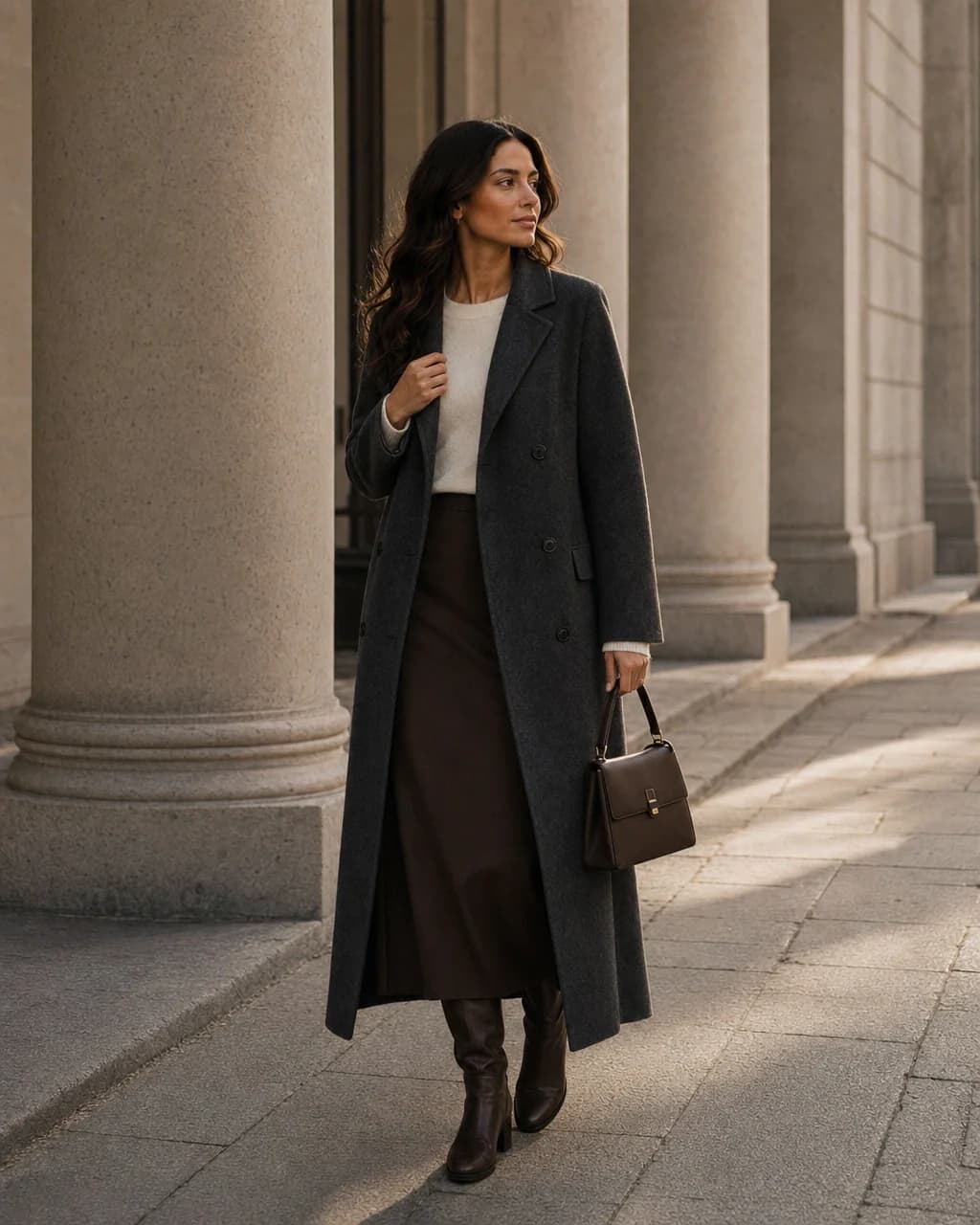
Style is not a final answer
Personal style is often presented as a destination. Discover the correct archetype, settle on the right colours, buy the definitive pieces and the uncertainty will end. The promise is attractive because getting dressed contains many decisions. But a fixed identity soon becomes another costume, asking the person to remain consistent with choices made under different conditions.
Style is better understood as a moving pattern. Certain preferences persist, others soften, and some disappear when the life that supported them changes. The evolution may be so gradual that it is visible only in hindsight: black gives way to brown, sharp shoulders relax, bright accents become texture, or a once-casual wardrobe acquires a quieter formality.
Life changes the brief
Work is one of the clearest forces. A formal office can build fluency in tailoring; remote work can make that same wardrobe feel ceremonial. A new role may require authority without stiffness, or ease without looking indifferent. The useful response is rarely a complete replacement. It is a shift in emphasis: softer jackets, better knitwear, trousers that bridge meetings and ordinary movement.
Relationships and parenthood alter clothing in less visible but equally practical ways. Time becomes scarce, hands become occupied, fabrics are washed more often, and shoes need to travel further. These changes do not signal a loss of style. They provide a new design brief. Good personal style has always been the art of making practical conditions look intentional.
Place enters the wardrobe
Climate changes taste because it changes what can be repeated. Moving from a cool city to a humid one may replace structured wool with linen, dark layers with pale open cloth and leather shoes with something more breathable. The underlying preference for tailoring or tonal dressing can remain, but its materials and proportions adapt.
Travel has a smaller version of the same effect. Another place can make a colour or silhouette newly intelligible. Mediterranean light explains tobacco, cream and washed blue differently; a northern winter makes the depth of charcoal and navy useful. The best influences are absorbed slowly and tested against home, rather than imported as a complete costume.
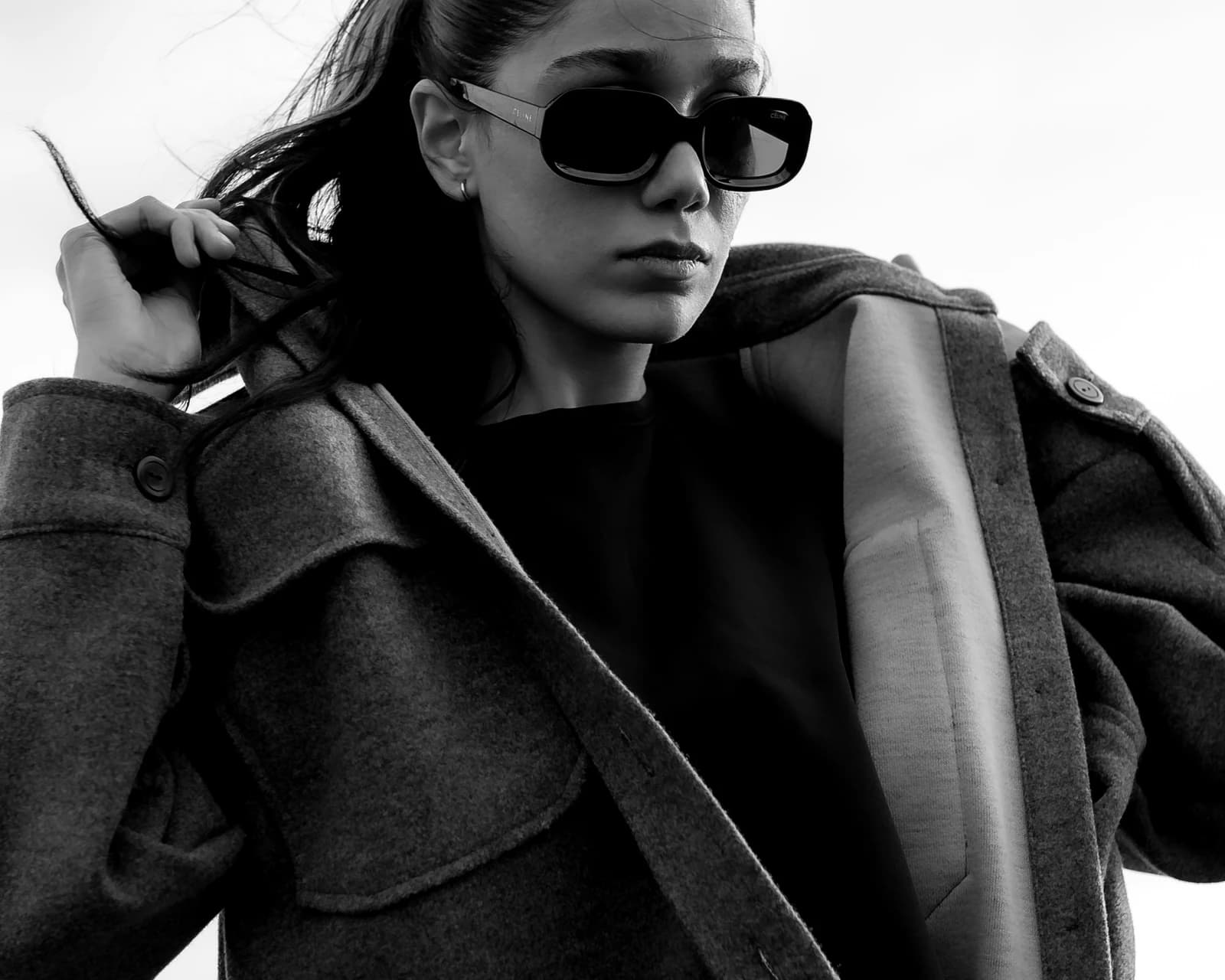
The body is not static
Bodies change through age, health, pregnancy, training, medication and ordinary time. Clothing may stop fitting physically, but it can also stop fitting psychologically. A silhouette once used to hide may feel unnecessary; a fitted garment once worn confidently may begin to demand too much attention. Neither movement is a failure of discipline or taste.
Proportion offers a kinder route than chasing an earlier body. A different rise, jacket length or trouser width can restore balance without asking the body to become something else. Alteration can preserve valued pieces, but acceptance matters too. Style becomes more assured when clothes are chosen for the body present in the room.
Confidence edits differently
Early experiments often make identity visible through obvious signals: a strong colour, a recognisable subculture, an insistently formal or casual stance. With confidence, some people become quieter. They need less proof from the garment and pay more attention to fabric, fit and ease. Others move in the opposite direction, finally allowing colour or scale that once felt too conspicuous.
Income can alter access, but it does not automatically improve judgement. More choice can recreate the same confusion at a higher price. The useful shift is often from quantity towards specificity: understanding which construction matters, which fabric earns care, and where an alteration offers more value than another purchase. Quality becomes personal only when it supports repeated wear.
“Personal style should record a life, not prevent it from changing.”
Taste learns through use
Taste does not develop in a straight line from poor to good. It becomes more particular. Someone may stop asking whether a jacket is generally elegant and begin asking whether its shoulder, length and cloth belong in their own rotation. This is not elitism. It is the clarity produced by comparison and wear.
Tolerance for trends often changes at the same time. New silhouettes can still be interesting, but they are evaluated against established preferences rather than accepted as instructions. A wider trouser may enter because it improves comfort and proportion, not because the previous pair has become invalid. Curiosity remains, while urgency fades.
Keep the thread, release the label
Continuity matters because constant reinvention is expensive and disorienting. Look for the thread that survives different periods: perhaps a preference for natural materials, long lines, low contrast or an element of tailoring. That thread can guide change without dictating its exact form. The navy blazer might become an unstructured overshirt; the silk dress might become a fluid blouse.
Labels are less accommodating. Calling a style classic, minimalist, romantic or streetwear can be useful shorthand, but the label begins to fail when it prevents an honest preference from entering. A wardrobe should not have to defend a thesis. Contradictions often make it personal: severe trousers with a soft knit, formal shoes with worn denim, an inherited piece beside something new.
A living record
The most accurate style profile is not taken once. It learns from behaviour over time: what is worn, skipped, saved, repeated and gradually abandoned. Recent evidence should matter without erasing history. A temporary uniform during a demanding season may not define the next decade, but it still teaches something about the value of ease.
This is the useful idea behind a living style DNA. It is not a score or a permanent category. It is an evolving account of palette, silhouette, texture and context, transparent enough to be corrected by the person it describes. Intelligence should follow the wearer, not trap them inside an old prediction.
Edit at the pace of a life
A wardrobe rarely needs to change as quickly as circumstances do. Begin by identifying which existing pieces already suit the new reality. Recombine them, alter what is close, and let genuine gaps become visible through repeated use. This pace protects against replacing an old aspirational wardrobe with a new one before the new life has had time to become ordinary.
Personal style is not lost when it changes. Its deepest consistency may be the way a person pays attention: to proportion, to comfort, to material, to the quiet confidence of being appropriately dressed. The palette can drift and the silhouette can move while that attention remains. A good wardrobe makes room for both memory and revision.
The archive can help without becoming an instruction. Photographs of earlier outfits often reveal that what felt like a complete reinvention was actually a subtle adjustment repeated over years. The colours shifted while the proportions remained, or formality softened while a preference for structure survived. Continuity is often more visible from a distance.
There is value, too, in allowing a period to remain unresolved. Transitions in work, body or place do not always produce an immediate new uniform. Temporary solutions can be intelligent, and an incomplete wardrobe can be more honest than a rapid replacement built around predictions. Behaviour needs enough time to become evidence.
What should endure is agency. A style profile can offer observations, remember successful combinations and notice changes, but the wearer must remain able to disagree. Taste contains moods, exceptions and choices made for reasons no system can infer. The most respectful intelligence is provisional: confident enough to help, humble enough to keep learning.